
Mental Health First
One of the most impactful training I have received during my service is the Youth Mental Health First Aid (YMHFA) training, provided through my host site. Designed to build the capacity of adults who work with young people, this evidence-based program equips participants with the knowledge and practical tools to recognize, understand, and respond to signs of mental health and substance use challenges in youth. According to the National Council for Mental Wellbeing, Youth Mental Health First Aid is used by hundreds of thousands of trained adults across the United States, reflecting its widespread recognition as an effective resource for those who interact regularly with young people.
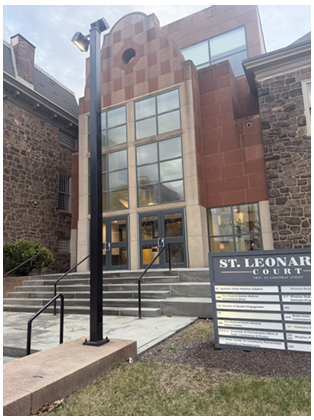
where I was able to receive
this meaningful training
At the core of the training is a five-step action plan known by the acronym ALGEE: assess for risk of suicide or harm, listen nonjudgmentally, give reassurance and information, encourage appropriate professional help, and encourage self-help and other support strategies. This framework is built on the foundational belief that every young person has inherent strengths and deserves a compassionate, informed response during moments of crisis. Rather than approaching a student from a place of fear or uncertainty, ALGEE empowers participants to lead with empathy and intention.
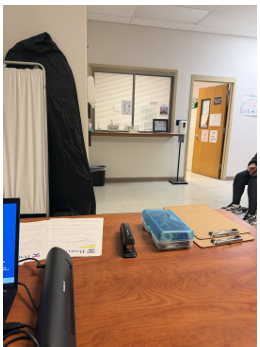
serve and am able to use the
skills YMHFA has equipped me with
This training has meaningfully shaped how I show up for students at my host site, a high school health clinic. Before completing YMHFA, I would respond to a student's visible distress out of genuine concern but without a structured approach. The training strengthened my existing care for students by giving it direction and purpose. I now feel better equipped to engage in open, non-confrontational conversations about mental health, which is especially important in an environment where I've observed a notable stigma around these topics. Alongside that stigma, however, I've also witnessed real resilience with students sharing their experiences in waiting rooms, reaching out for help, and leaning on one another. YMHFA gave me a framework to meet that resilience with the support it deserves.
Perhaps the most lasting takeaway from this training is the reminder to remain genuinely attuned to the people around me. Mental health challenges in young people do not always present in obvious ways, and a strengths-based approach means recognizing not only what a student is struggling with, but also what internal and external resources they already possess. This awareness, that each student brings strengths worth acknowledging, is something I carry far beyond my service hours and into every meaningful interaction I have.
About the Author